
Business
Breaking Free from Your OEM Shackles: How 3D Scanning and Printing Are Transforming Critical Spare Part Management


Micah Chaban is the Founder and VP of Sales at RapidMade, a company at the forefront of 3D scanning, reverse engineering, and additive manufacturing. With a strong background in sales and business development, Micah has played a critical role in establishing RapidMade as a leader in digital manufacturing solutions. The company specializes in 3D scanning and printing to create precise digital models, reverse engineering to reproduce or improve parts, and 3D printing to manufacture components with speed and efficiency. RapidMade empowers businesses to break free from OEM part monopolies, enabling them to maintain equipment more cost-effectively and sustainably.
Table of Contents
3D scanning and reverse engineering are changing the way businesses approach part production. What makes these technologies so valuable compared to traditional manufacturing methods?
Micah Chaban: The biggest advantage is flexibility. Traditional manufacturing relies on expensive tooling, long lead times, and large minimum order quantities. 3D scanning and printing reverse engineering eliminate those barriers by allowing us to create highly accurate digital models of parts—whether they’re discontinued, damaged, or need improvements. Instead of being forced to buy a whole new system because one component is unavailable, businesses can replicate or enhance what they already have. This reduces costs, minimizes downtime, and puts control back in the hands of the customer.
How does RapidMade’s 3D scanning and reverse engineering process work?
Micah Chaban: It starts with capturing a detailed digital model of a part. We use high-precision 3D scanners to collect millions of data points, creating an accurate mesh model of the object. From there, we convert that data into a 3D CAD file that can be used for manufacturing or modification. If a customer needs a part replicated exactly, we ensure it meets tight tolerances, typically within 0.001 inches. If improvements are needed—like reinforcing weak areas or updating designs for better performance—we can modify the model before production.
What are some of the biggest advantages of using 3D scanning and printing for spare parts instead of relying on OEMs?
Micah Chaban: The main advantages are cost savings, shorter lead times, and independence. OEMs often mark up parts significantly—sometimes six to ten times their actual value. They also dictate availability, which means businesses are stuck waiting for backorders or forced into expensive upgrades when parts are discontinued. With 3D scanning and printing, companies can produce parts on demand, eliminating unnecessary downtime and inventory costs. Plus, they have the freedom to modify and optimize parts as needed, rather than being restricted to what the OEM provides.
Can you share a real-world example of how RapidMade helped a client overcome OEM supply chain issues?
Micah Chaban: Absolutely. We worked with a manufacturer that had a production line at risk of shutting down because a critical machine part was no longer available from the OEM. They were told the only option was to replace the entire system, which would have cost hundreds of thousands of dollars. Instead, they sent us the worn-out part. We scanned it, reverse-engineered the design, and produced a replacement part in days. Not only did this save them money, but it also kept their operation running without major disruptions.
How do you ensure the quality and durability of 3D-printed parts compared to traditional manufacturing?
Micah Chaban: Quality is a top priority. First, we use high-resolution scanning to make sure every detail is captured accurately. Then, we select the right materials based on the part’s function—whether it needs to be heat-resistant, impact-resistant, or chemically stable. Our production methods include industrial-grade 3D scanning and printing, machining, and post-processing to meet tight tolerances. We also offer certification and conformance documentation to guarantee that parts meet the required specifications.
What types of businesses benefit the most from RapidMade’s services?
Micah Chaban: Any company that relies on equipment maintenance or needs custom parts can benefit. That includes manufacturers, aerospace and automotive industries, energy sector companies, medical device makers, and even businesses in the food and beverage industry. If a part is difficult to source, too expensive, or requires design improvements, our services provide a cost-effective and flexible solution.
Where do you see the future of 3D scanning and printing heading in the next five to ten years?
Micah Chaban: The technology is advancing rapidly, and we’re going to see even more widespread adoption across industries. Material science is improving, which means stronger, more heat-resistant, and more cost-effective 3D-printed parts. AI-driven automation will also enhance scanning and design processes, making reverse engineering even faster and more precise. Ultimately, I think we’ll see a shift where companies no longer stockpile spare parts but instead manufacture them on demand as needed.
For businesses looking to get started with 3D scanning and printing reverse engineering, what’s the best way to begin?
Micah Chaban: The best first step is to reach out to us with images or details of the part they need. We provide an initial assessment and quote based on the complexity of the scan and any reverse engineering required. From there, we guide them through the process—whether they need an exact replication or modifications for improved performance.
How can potential clients contact RapidMade to discuss their projects?
Micah Chaban: They can visit our website at RapidMade.com or reach out to us directly via email at info@rapidmade.com. We’re happy to discuss any project, whether it’s a single part or a full-scale production run.
If you’re looking to break free from costly OEM parts and gain full control over your manufacturing and equipment maintenance, RapidMade has the solution. Contact us today to learn how our 3D scanning and printing, reverse engineering service can transform your business.


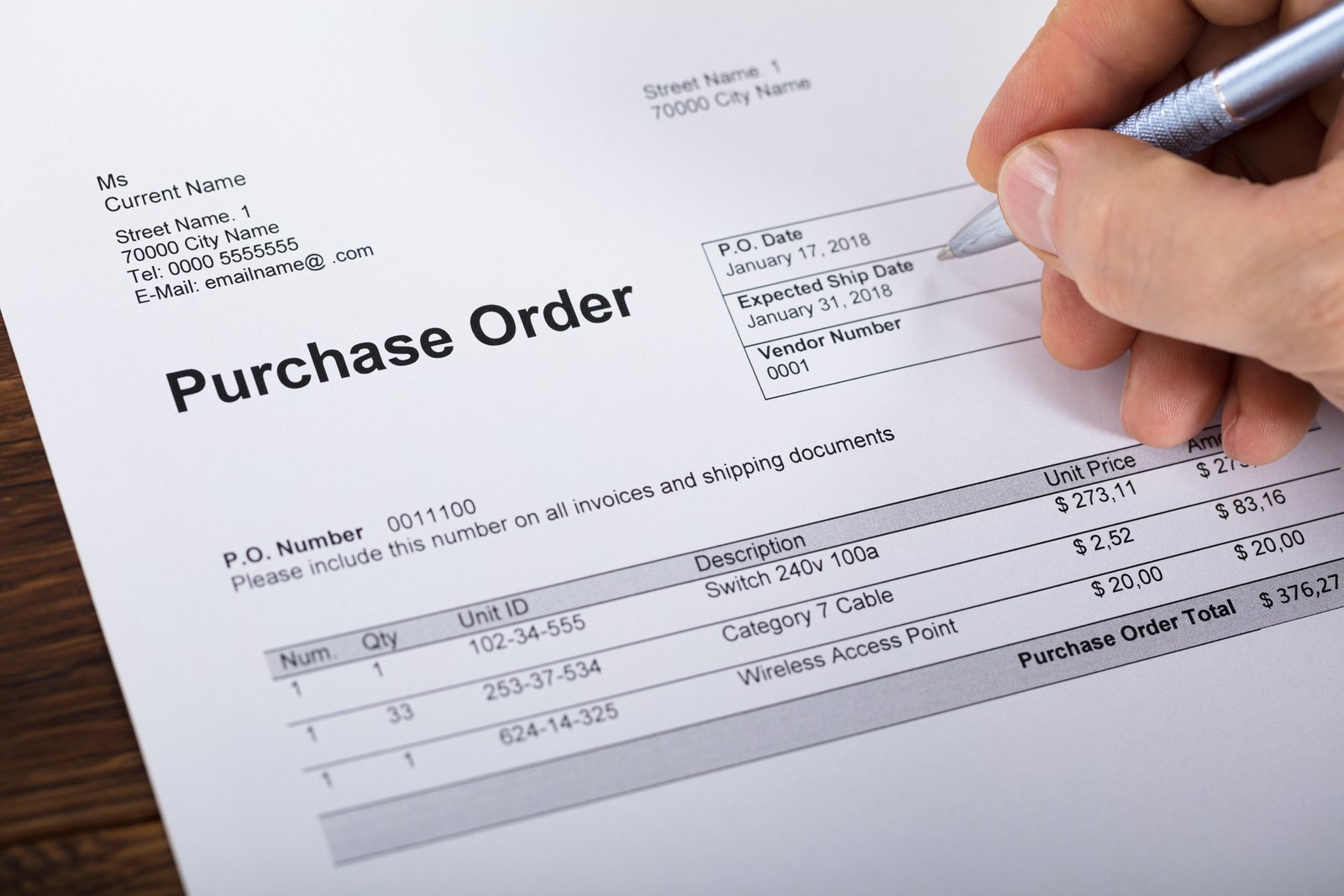
As businesses grow, managing procurement efficiently becomes critical to maintaining smooth operations and controlling costs. Manual purchase order processes can be time-consuming, prone to errors, and difficult to track, especially when dealing with multiple vendors, departments, or locations. Delays or inaccuracies in purchase orders can result in stockouts, overstocking, and financial discrepancies, which can impact both operational efficiency and cash flow.
This is where a purchase order generator becomes an essential tool for growing businesses. By automating the creation, management, and tracking of purchase orders, businesses can streamline procurement, reduce errors, and improve overall operational efficiency.
Table of Contents
What is a Purchase Order Generator?
A purchase order (PO) generator is a tool or software that automates the creation of purchase orders. Instead of manually drafting documents for each procurement, businesses can quickly generate POs with all necessary details such as vendor information, item description, quantity, pricing, and terms.
Using a digital purchase order generator ensures standardization, accuracy, and faster processing, which is particularly valuable for businesses experiencing growth or managing complex supply chains.
Challenges of Manual Purchase Orders
Managing purchase orders manually presents several challenges:
- Human Errors: Manual entry increases the risk of typos, incorrect quantities, or pricing errors.
- Time-Consuming Processes: Drafting and sending purchase orders manually slows down procurement and delays operations.
- Lack of Visibility: Tracking POs across vendors and departments can be difficult, leading to missed deliveries or duplication.
- Difficulty in Compliance: Ensuring all POs are compliant with company policies or financial regulations can be cumbersome without automated workflows.
These challenges can hinder business growth, reduce efficiency, and negatively impact supplier relationships.
Benefits of Using a Purchase Order Generator
1. Automation for Efficiency
A purchase order generator automates the entire process, from creating POs to sending them to vendors. Automation reduces the time spent on manual tasks, allowing procurement teams to focus on strategic sourcing and supplier management.
2. Accuracy and Standardization
Using a generator ensures that all POs follow a standardized format with consistent details. This reduces errors in quantities, prices, and terms, leading to smoother procurement and fewer disputes with vendors.
3. Real-Time Tracking
Digital POs allow businesses to track the status of each order in real time. Procurement managers can monitor approvals, pending deliveries, and payment schedules, which improves overall visibility and accountability.
4. Enhanced Supplier Relationships
Clear, accurate, and timely purchase orders build trust with vendors. By using a purchase order generator, businesses ensure that suppliers receive correct orders on time, improving collaboration and reducing delays.
5. Integration with Business Systems
Many purchase order generators integrate with inventory, accounting, and financial systems. This ensures that stock levels, budgets, and cash flow are accurately updated whenever a PO is issued, providing a comprehensive view of business operations.
Supporting Growing Businesses
For growing businesses, the volume of purchase orders increases as operations expand. Manual processes become impractical and prone to inefficiency. Implementing a purchase order generator helps businesses scale their procurement processes without increasing administrative workload.
Moreover, businesses can leverage business tools and templates alongside their purchase order generator to streamline related processes such as invoicing, expense tracking, and budget management. This holistic approach ensures that procurement aligns with overall business operations and financial planning.
Cost and Time Savings
Automated purchase orders reduce the administrative effort required to manage procurement. Fewer errors mean fewer corrections and disputes, while real-time tracking prevents delays or mismanagement. This leads to significant cost savings and frees up resources for strategic initiatives, enhancing overall productivity.
Strategic Advantages of a Purchase Order Generator
A purchase order generator does more than just simplify documentation. It strengthens operational control, improves financial accuracy, and provides actionable insights into procurement patterns. Businesses can analyze trends, optimize supplier selection, and maintain consistent stock levels, all of which contribute to smoother operations and better cash flow management.
Streamlined Procurement for Sustainable Growth
In today’s competitive market, efficient procurement is vital for business growth. By adopting a purchase order generator, businesses minimize manual work, reduce errors, and gain greater control over their purchasing process. Integrating this tool with other business tools and templates ensures that all aspects of operations are aligned, creating a cohesive system that supports growth, compliance, and operational efficiency.

When looking for a Immobilienmakler Offenbach it’s essential to find someone who understands both the city’s evolving market and your personal property goals. Offenbach, once considered a quieter neighbor to Frankfurt, is now a booming real estate hotspot in the Rhine-Main region. With its growing population, affordable housing options, and rich cultural scene, more buyers, sellers, and investors are turning their attention to Offenbach. Whether you’re planning to purchase your first home, invest in rental properties, or sell your apartment, choosing the right agent can make all the difference.
Table of Contents
Why Offenbach is an Emerging Property Hub
Located just across the Main River from Frankfurt, Offenbach offers the perfect blend of urban convenience and residential charm. In recent years, Offenbach has undergone significant urban renewal projects, attracting young professionals, families, and creative industries. The city’s proximity to Frankfurt makes it ideal for commuters, while property prices in Offenbach remain more accessible. This affordability combined with ongoing development makes it a smart investment choice. A skilled real estate agent in Offenbach will help you navigate this growing market and find the best opportunities.
The Role of a Real Estate Agent in Offenbach
A real estate agent does much more than show properties. In a competitive market like Offenbach, a local agent acts as your advisor, negotiator, and guide through the entire process. They provide insights into market trends, pricing, neighborhood growth, and legal requirements. Whether you are a buyer or seller, a good agent ensures smooth communication, accurate paperwork, and fair negotiations. In Offenbach’s fast-evolving districts, having someone with up-to-date knowledge and strong connections is a major advantage.
What to Look for in an Offenbach Agent
Choosing the right Offenbach real estate agent requires more than browsing websites. Look for agents who specialize in your specific needs—residential, commercial, investment, or rental. Check for licenses, client testimonials, years of experience, and knowledge of neighborhoods like Bieber, Bürgel, or Kaiserlei. The best agents are transparent, patient, and proactive. They should listen to your needs, offer honest assessments, and not push you into decisions. Strong local expertise is vital, especially as new developments reshape the city’s housing landscape.
Neighborhood Insights: Where to Buy or Sell in Offenbach
Offenbach boasts diverse neighborhoods that appeal to different types of buyers. Bieber is ideal for families due to its schools and quiet streets. Kaiserlei, located near the border with Frankfurt, is a prime location for professionals and investors due to its office developments and excellent transport links. Lauterborn and Tempelsee offer a mix of modern housing and green spaces, making them popular among young couples. A local real estate agent will help you identify which areas match your lifestyle or investment goals—and guide you to the best listings.
Services Offered by Real Estate Agents in Offenbach
Top agents in Offenbach provide a range of services to streamline the buying or selling process. These include property valuations, professional photography, virtual tours, targeted marketing, staging consultations, and open house coordination. For sellers, they create compelling listings that attract serious buyers. For buyers, they offer customized searches, arrange viewings, assist with financing, and manage negotiations. Some agents also offer multilingual services—especially useful in an international city like Offenbach where many buyers come from abroad.
The Importance of Local Knowledge
Offenbach’s real estate market is dynamic and still evolving, especially with upcoming construction projects, new business hubs, and rising rental demand. A real estate agent with deep local knowledge can offer insights that online platforms or out-of-town agents simply can’t. For example, understanding future infrastructure plans, school zone changes, or market trends in a particular district can help you make smarter decisions. Whether buying or selling, insider knowledge translates into better deals and faster transactions.
Real Estate for Expats and International Buyers
Offenbach’s proximity to Frankfurt and its growing global community make it increasingly attractive to international buyers. For expats, navigating German property laws and processes can be confusing. A real estate agent who speaks English and understands international client needs can be a huge help. From explaining contract terms to guiding you through mortgage approvals and notary appointments, these agents simplify the experience. Many also assist with rental investments, helping foreign buyers find tenants and manage properties remotely.
Top-Rated Agencies and Independent Agents in Offenbach
There are several reputable agencies and independent realtors in Offenbach. Firms like Engel & Völkers, Von Poll Immobilien, and Immobilienservice RheinMain have strong presences in the area and offer professional services backed by experience. At the same time, many independent agents also offer personalized service, with flexible hours and in-depth local knowledge. When choosing, compare client reviews, recent sales, and their familiarity with the neighborhood you’re interested in. A good rapport and clear communication are just as important as credentials.
Final Thoughts: Partnering with the Right Agent
Offenbach’s real estate market offers immense potential for buyers, sellers, and investors alike. But success in this competitive environment depends heavily on working with the Immobilienmakler Offenbach. The ideal agent will not only guide you through the practical steps but also offer valuable insight that leads to smarter decisions. Whether you’re drawn to Offenbach for its affordability, location, or growth potential, a trusted agent will help you make the most of your real estate journey. Take the time to research, ask questions, and choose someone who understands your goals—and Offenbach’s promising future.

Quality higher education can lay the foundation for a successful and fulfilling career. However, the rising cost of education often becomes a challenge for many students and their families. In such a case, opting for an education loan can be a suitable option. An education loan helps students cover their financial requirements without putting pressure on their families. There are many banks and Non-Banking Financial Companies (NBFCs) that provide education loans at competitive rates. This article explains what education loans are, their advantages, eligibility criteria, and more.
Table of Contents
What is an Education Loan?
A loan for education is a type of financial aid offered by banks or financial institutions to help students pay for their higher education. This loan generally covers all the expenses such as tuition fees, accommodation, books, travel (if studying abroad), and other related costs. These loans can be used for studying in India or abroad. Some education loans also offer flexible repayment options and allow students to begin repayment after completing their course.
Eligibility Criteria for an Education Loan
The eligibility for an education loan may vary from lender to lender, but the common requirements include:
1. Nationality
To qualify, an applicant must be an Indian citizen. It’s important to note that loan options, interest rates, and repayment terms can vary across banks and financial institutions, so comparing lenders is essential before applying.
2. Academic Qualification
The student must have secured admission to a recognised institution in India or abroad through an entrance test or merit-based selection. This helps lenders ensure that the loan is given to students pursuing serious and credible courses. The institution should be accredited or approved by the relevant education authorities. Proof of admission is usually required during the loan application process.
3. Age Limit
Generally, the applicant’s age should be between 18 to 35 years at the time of applying for the loan. Some lenders may have slight variations in age criteria depending on the course or loan scheme. This age range is considered suitable as it aligns with most students pursuing higher education. In certain cases, older students may be eligible but may need to fulfil additional requirements.
4. Course and Institution
The loan is usually sanctioned for professional or technical courses like engineering, medical, management, and similar fields from recognised universities. One thing to note is that lenders prefer courses that offer strong career prospects. This makes them sure that the student will be able to repay the loan after completing his/her studies. Some lenders may also provide loans for diploma or vocational courses if they meet certain criteria.
5. Co-applicant
A co-applicant (usually a parent or guardian) is mandatory. The co-applicant’s income and credit history are considered to determine loan approval and amount. Having a reliable co-applicant increases the possibility of getting a higher loan amount and better loan terms. The co-applicant is equally responsible for repaying the loan if the student is unable to do so.
Advantages of Education Loans
Education loans offer several benefits that make them a preferred financing option for students:
1. Financial Independence
Thanks to education loans, students can attend the institution and pursue the course they want, without relying only on the family’s savings or selling valuable assets. This means they can concentrate on learning, since their needs are taken care of. With educational loans, students can choose what they want to study, regardless of how much funds they have now.
2. Affordable Repayment Options
Students can be given more time to pay back the loan, often during the duration of the course and for several months after its completion. Therefore, interest and loan payments are not required right from the beginning. You can pay back the loan in smaller instalments over an extended time.
3. Tax Benefits
Under Section 80E of the Income Tax Act, the interest paid on education loans is tax-deductible for up to 8 years. This can reduce your overall tax burden significantly. However, the benefit applies only to the interest, not the principal loan amount.
4. Covers a Wide Range of Expenses
Apart from tuition, loans may cover costs like accommodation, travel (for foreign studies), exam fees, and other educational materials. This helps students manage all education-related expenses in one place. Some loans also include funds for internships or training programs linked to the course.
5. Improves Credit Score
Timely repayment of education loans, along with managing the education loan interest rates responsibly, helps build a strong credit history. This tends to make it easier to secure other loans in the future.
Conclusion
For students aiming to get a quality higher education, education loans give them the confidence to focus on their studies rather than their budget. If students meet the eligibility criteria and decide on the proper loan, they can easily manage fees for schooling and get improvements in their credit scores, plus enjoy better tax terms and hassle-free repayment. With support from banks and NBFCs, education loans make it easier to focus on learning and building a secure future. If you plan carefully and repay on time, an education loan can support you in building your career.

Why Every Growing Business Needs a Purchase Order Generator

Why Bus Charter Adelaide Matters for Group Travel

Rediscover Comfort: Why Ceiling Fans Are a Smart Choice in Adelaide

Why Music Lessons Adelaide Can Be a Game-Changer for Learners of All Ages

Why a Motivational Speaker Can Transform Your Adelaide Team’s Performance

The Foundation of Well-being: Why the Right Mattress Matters in Adelaide

Why Coworking Spaces Are Changing the Way Adelaide Works

Balustrades Adelaide: Where Safety Meets Sophistication

Why Having a Trusted Gas Plumber in Adelaide Is Critical

Parimatch’s Take on India’s Gaming Future: The Battle Between Regulation and Prohibition

Meerut City Satta King: Your Ultimate Guide to Winning!

The Importance of Hiring Commercial Movers

Discover Why debsllcs.org/ Is Leading in Sustainable Business Solutions

vstechpanel.com Off-Page SEO: Boost Your Site’s Authority Now!

How Do I Contact Hong Kong Reverse Technology Now for Solutions?

Why SEO is No Longer Just About Rankings

Essentials Clothing: Bold Statements in Minimalist Designs

Incestflix: Controversial Platform Raising Serious Concerns

Unlock Thespark Shop Kids Clothes for Baby Boy Girl: A Must-Have for Parents

TheSpark Shop Kids Clothes for Baby Boy & Girl – Shop Now!
-
 Games1 year ago
Meerut City Satta King: Your Ultimate Guide to Winning!
-
 Blog1 year ago
The Importance of Hiring Commercial Movers
-
 Business1 year ago
Discover Why debsllcs.org/ Is Leading in Sustainable Business Solutions
-
 Tech1 year ago
vstechpanel.com Off-Page SEO: Boost Your Site’s Authority Now!
-
 Tech1 year ago
How Do I Contact Hong Kong Reverse Technology Now for Solutions?
-
 Tech12 months ago
Why SEO is No Longer Just About Rankings
-
 Fashion1 year ago
Essentials Clothing: Bold Statements in Minimalist Designs
-
 Entertainment1 year ago
Incestflix: Controversial Platform Raising Serious Concerns